
The Commerce Layer Doesn’t Stop at the Browser
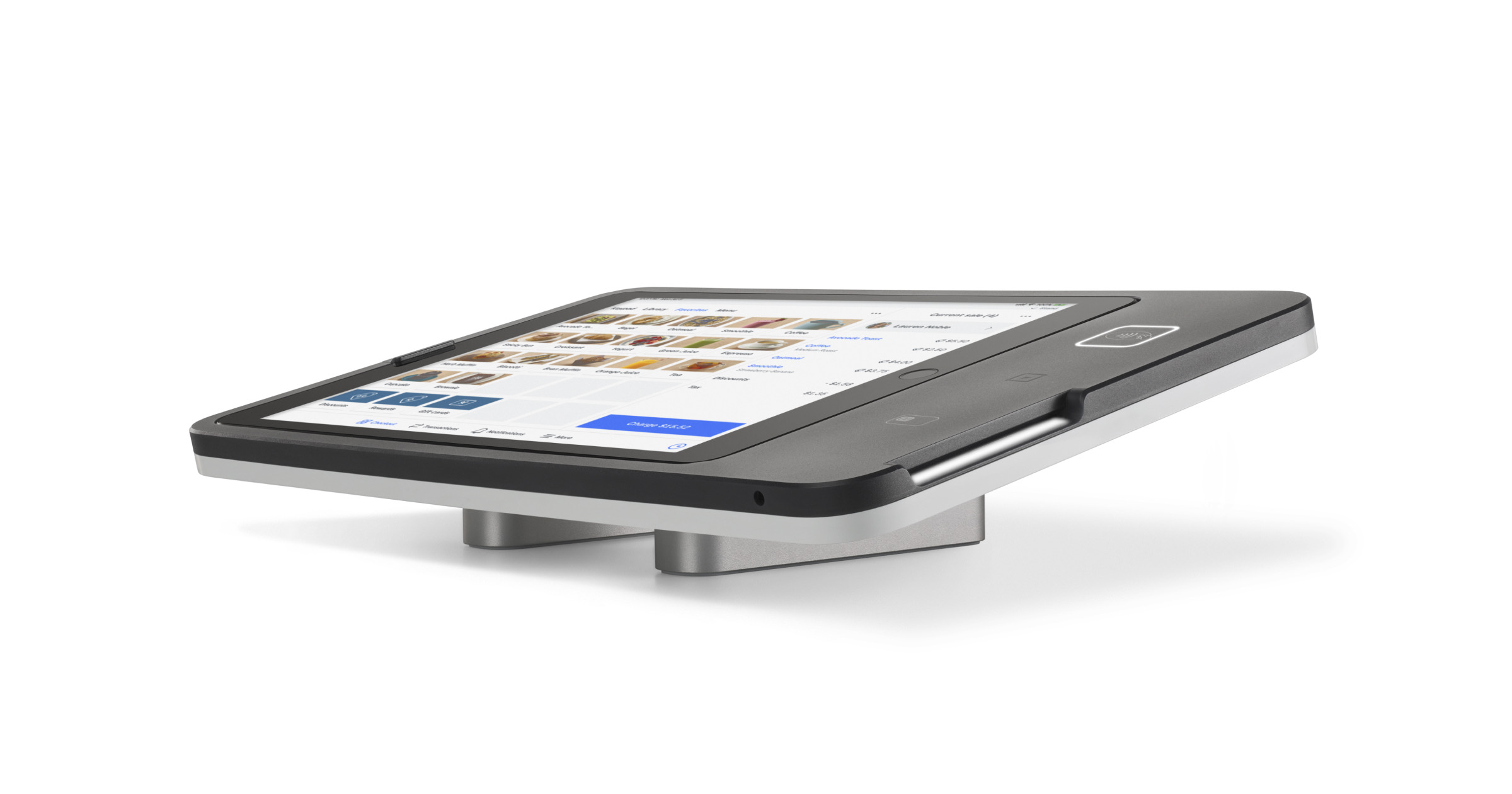
Table of Contents[ 4 ]
One merchant, multiple surfaces The infrastructure underneath matters Physical commerce is infrastructure too The future is surface-agnosticFor a long time, commerce software was designed around the website.
A merchant had a website. The customer opened a browser. They purchased something.
That model is no longer enough. Commerce happens everywhere.
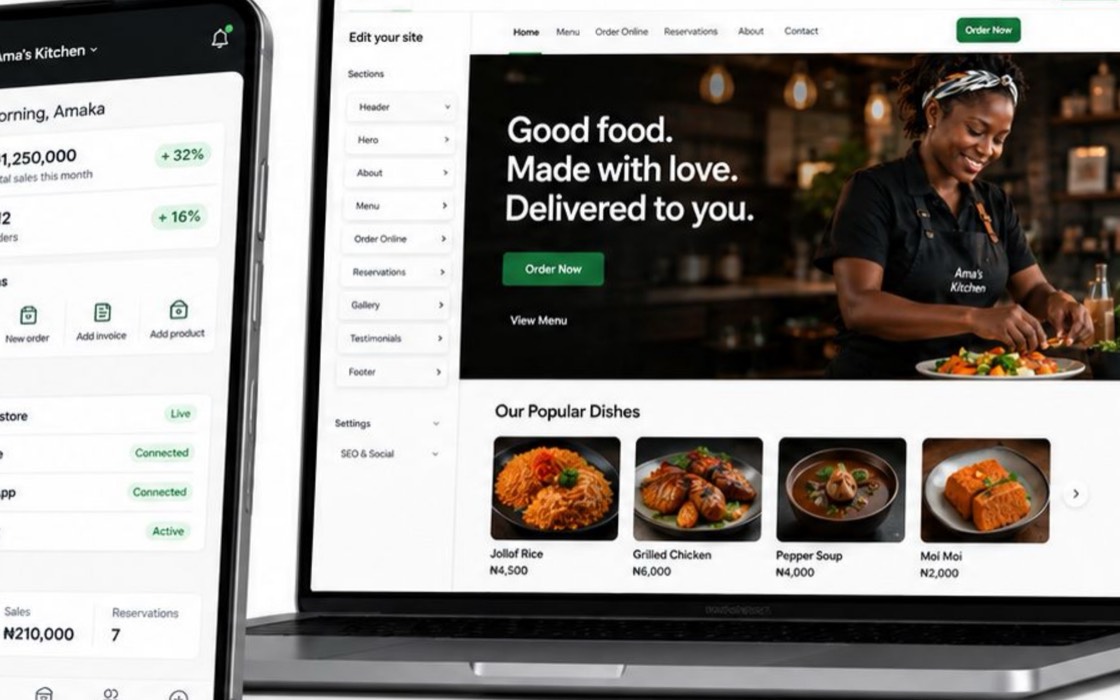
A merchant might sell through a website, a physical terminal, a payment link, a chat thread, social media or a mobile device. These aren’t separate businesses. They’re different surfaces of the same business.
One merchant, multiple surfaces
Imagine a merchant with an online website where customers browse products and place orders; a physical store where customers walk in and pay at a terminal; a payment link the merchant sends directly; and social selling, where a product is discovered inside a conversation.
The merchant shouldn’t need four independent commerce systems. They need one system that understands the merchant across all of them.
The infrastructure underneath matters
If every channel has its own backend, fragmentation returns. The merchant may have different products, different customer records, different transaction histories, different reporting, different workflows and different integrations.
A unified commerce engine changes the architecture. The surfaces can differ. The underlying commerce system does not have to.
Physical commerce is infrastructure too
Point of sale is often treated as a separate category from online commerce. Technically, it doesn’t have to be.
A sale is still a sale. A product is still a product. A customer is still a customer. A transaction is still a transaction.
The interface changes. The underlying primitives can remain consistent. That is what makes unified commerce powerful.
The future is surface-agnostic
The important question isn’t where does the merchant sell? It is does the infrastructure understand the merchant regardless of where they sell?
That is the promise of commerce infrastructure. The browser is only one surface.